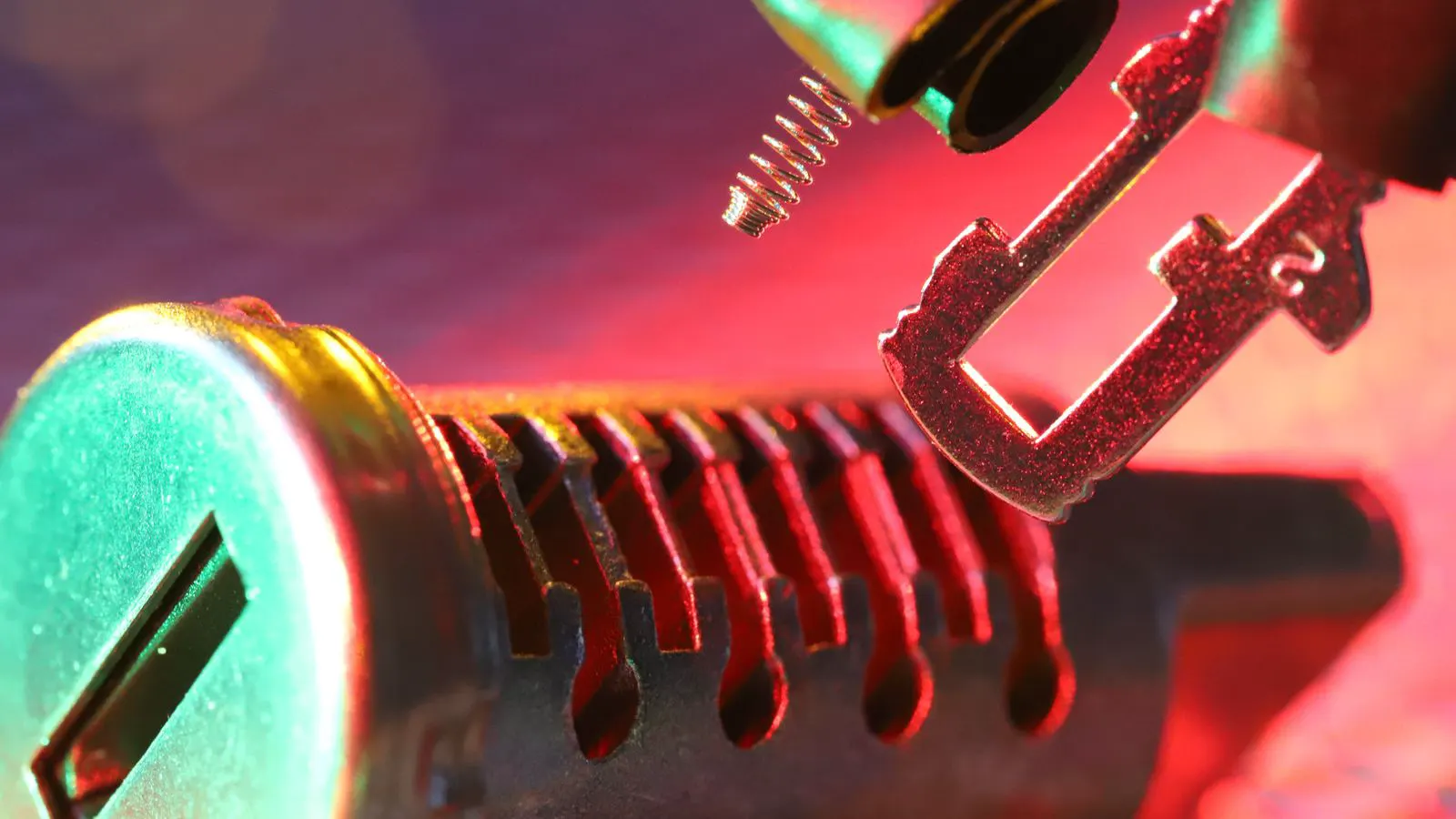
Single vs Double Acting Pneumatic Cylinders: Key Differences Explained
Single acting cylinders use air pressure on one side with a spring return, while double acting cylinders use pressure on both sides for independent stroke control.
Practical pneumatic component knowledge for engineering decisions
Pneumatic component selection is a technical decision. You evaluate bore sizes, pressure ratings, response times, and maintenance access before a part reaches the bench. The choice affects cycle time, energy use, and the cost of downtime later on.
This site covers the core parts and the decisions around them. It explains how to size a cylinder, prepare compressed air, select fittings, and check a supplier's documentation. The content focuses on practical application, not catalog descriptions.
Start with the stage of the sourcing process you are in.
Explore types, construction, and selection factors for pneumatic cylinders and linear actuators to match your application needs.
Learn about pneumatic fittings, hoses, and tubing options for durable, leak-free connections and efficient air distribution.
Single acting cylinders use air pressure on one side with a spring return, while double acting cylinders use pressure on both sides for independent stroke control.

Verify pneumatic fittings by checking material compatibility, thread type, size, and pressure ratings. This checklist helps engineers and buyers catch mismatches
Start with the required force and available pressure. Match the bore diameter to the load, then check the stroke length against your mechanism's travel. Verify that the mounting method fits your frame.
An FRL unit filters particulates, regulates pressure, and lubricates the line. It protects downstream components from moisture and debris. Proper sizing prevents pressure drops and uneven lubrication.
Replace fittings when you see leaks, corrosion, or thread damage. During scheduled maintenance, inspect all connections. Vibration and thermal cycling accelerate wear, so check frequently used ports.
Ask for technical datasheets, material certificates, and test reports. If the system is safety-critical, request compliance documentation. These files help you verify specs before placing an order.
Higher pressure increases compressor load and leaks. Regulate pressure to the minimum required by the system. Use pressure regulators and leak detection to reduce waste and lower running costs.
Isolate the circuit and check for pressure loss. Inspect the solenoid coil and the spool for debris. If the valve body is damaged, replace it rather than cleaning, as internal seals may also be worn.